Culture as a Living System: Holding What We Build

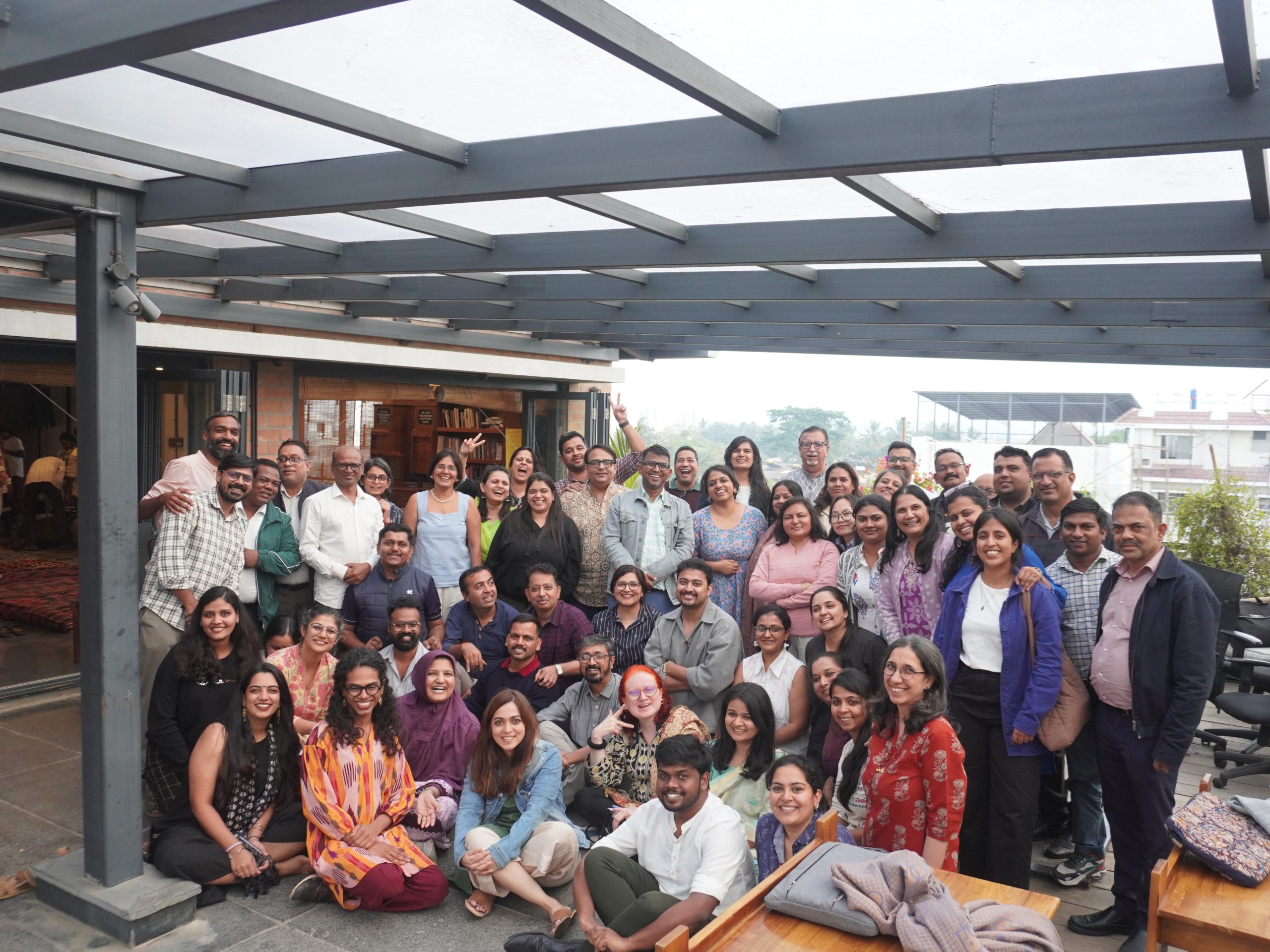
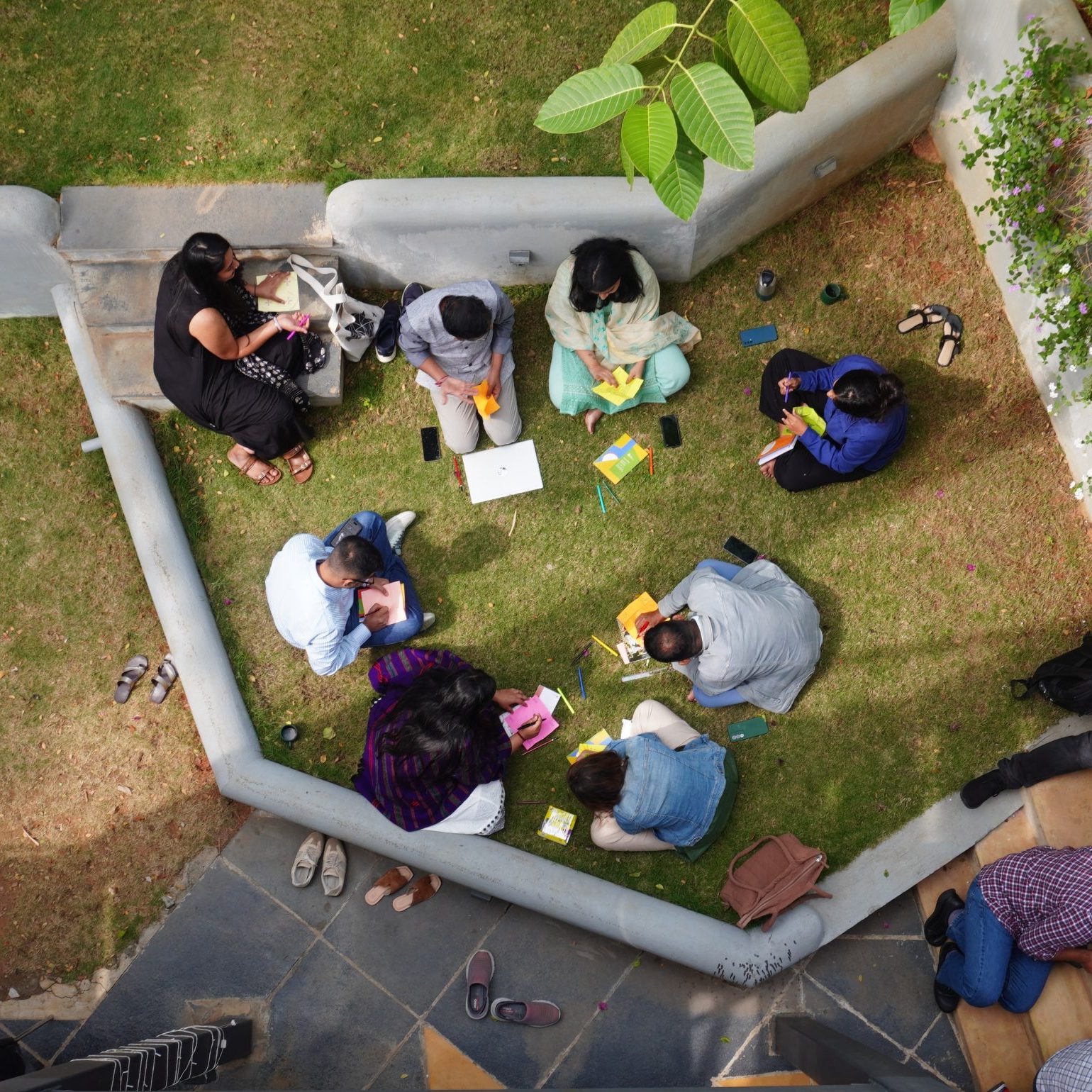
Reflections from the DSLIP Cohort at Quest Learning Observatory with Quest Alliance The Dasra Social Impact Leadership Program brought 53 leaders across the social sector to Quest Learning Observatory for an outdoor experiential learning day, in November 2025. Quest Alliance teams took the participants on an unforgettable journey exploring the nodes and nettles of how leadership works in a living lab.
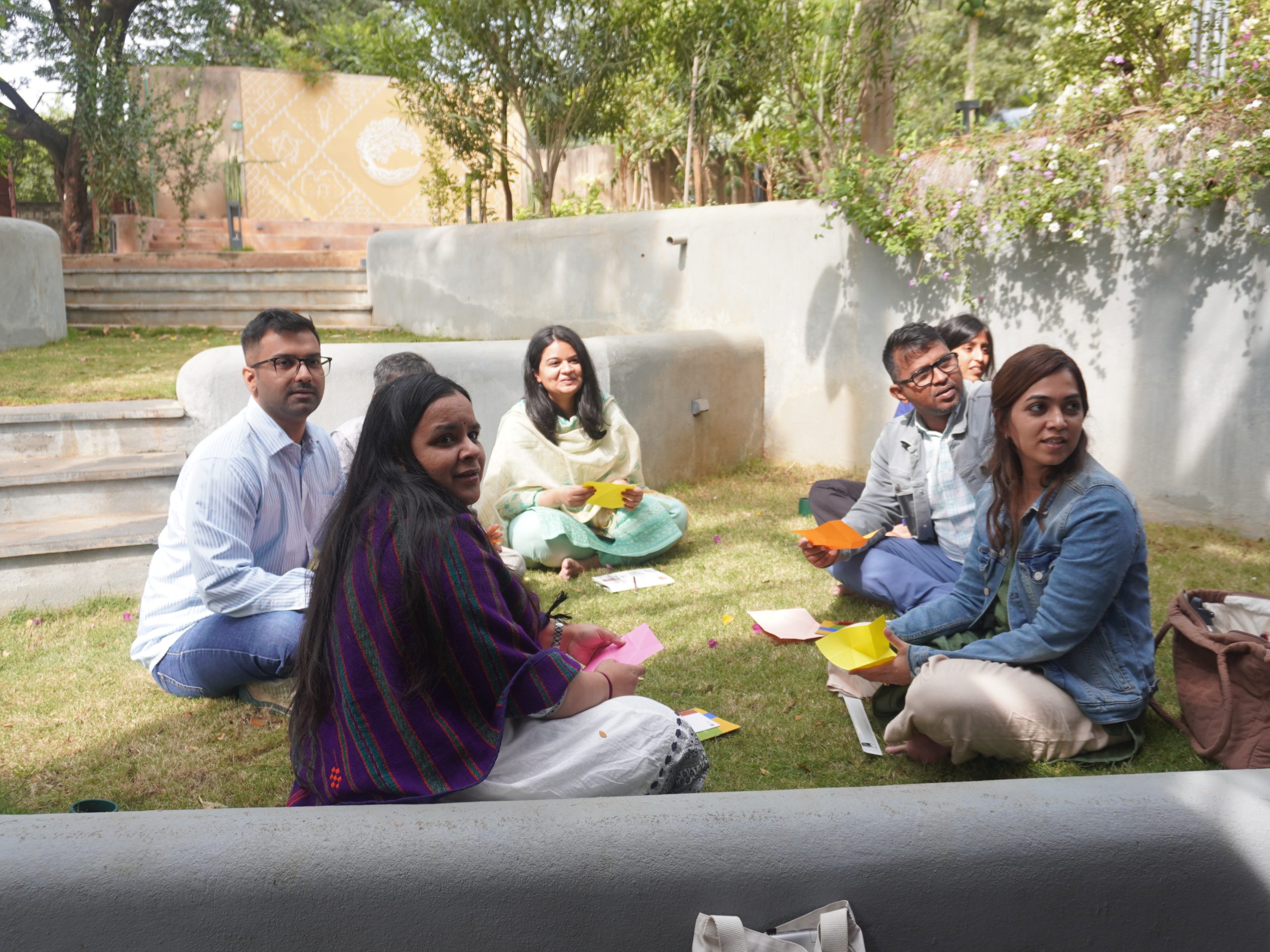
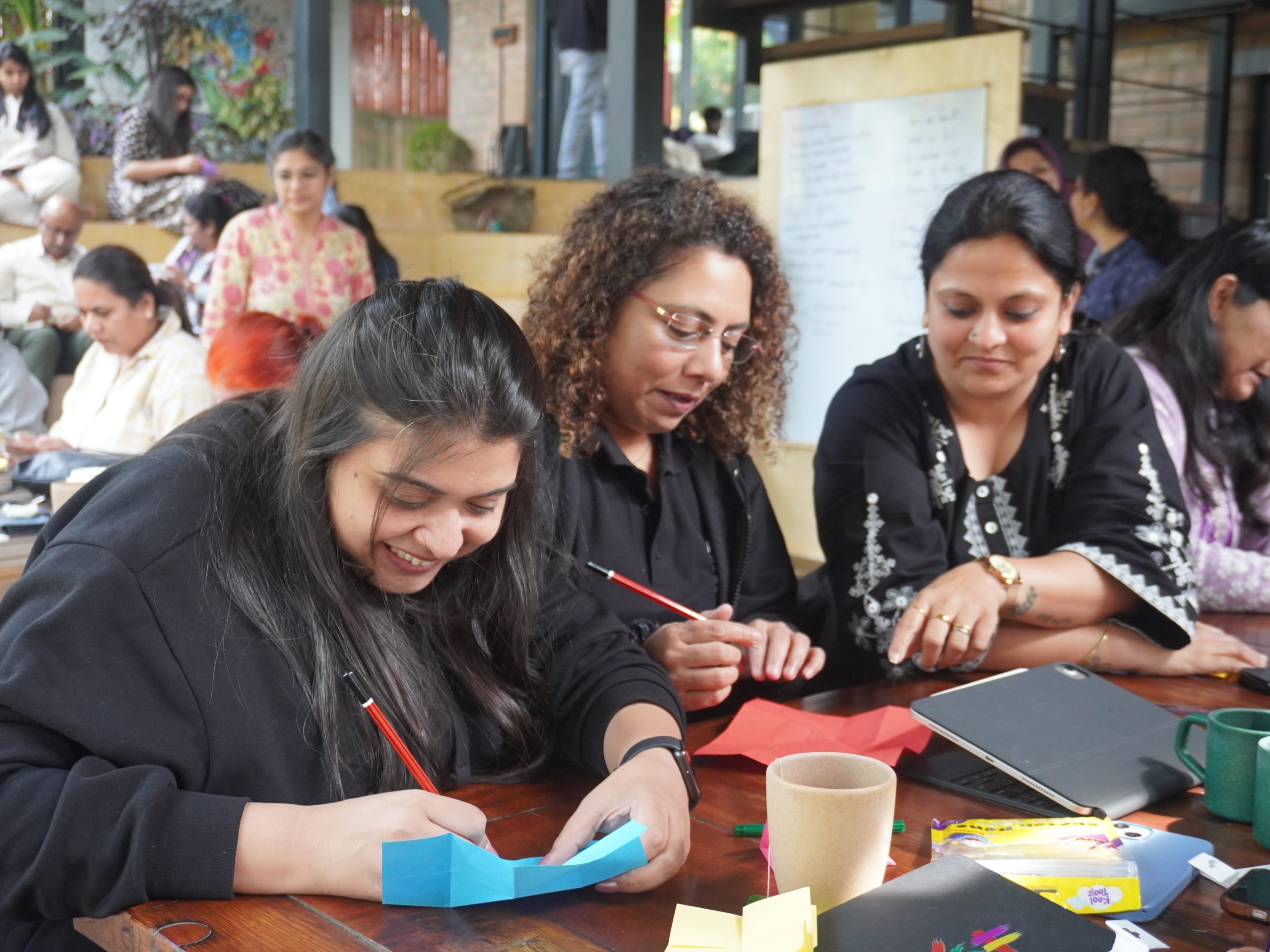


The session began with two important nuggets for thought:
Do all questions seek answers? Or do they seek attention?
For instance, what is organisational culture? It doesn’t need to be a lengthy definition, just something we notice, feel, and participate in.
A group of leaders came together to sit with this question at QLO, and the thoughts it evoked.
Culture is not something we possess; it’s what we are in.
Culture is often spoken about as if it were an object – something to design, fix, or improve. But through the day, another possibility emerged:
Culture is not something an organisation has. It is something people are constantly shaping together.
It lives in the visible and the invisible, in how a space feels when you enter. In what is spoken as well as left unsaid. In policies, pauses, relationships, and everyday choices.
Seeing Culture Without Naming It
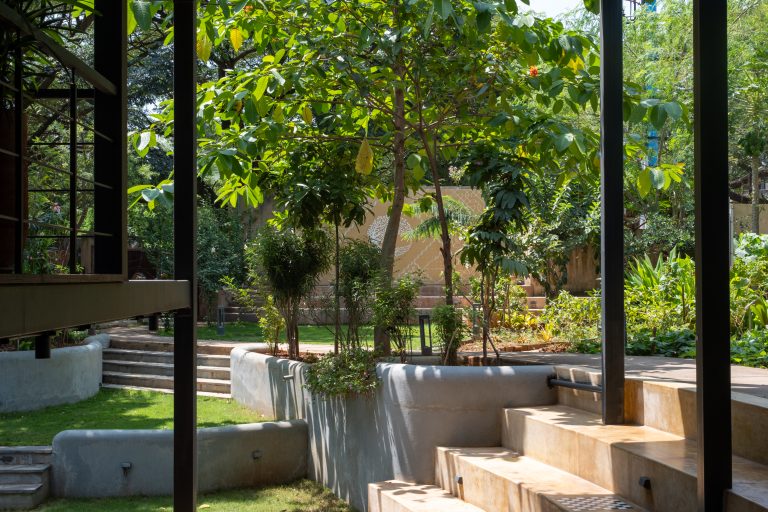
The group moved through spaces, quietly observing them, taking mental notes. A walk through the garden, a wide open room, finding places to gather in. There were no prompts nudging them toward a specific thought or action, and yet much was understood.
This led to the learning that culture can be felt before it is articulated. That space carries intention, and that is reflected in its design, which in turn stems from belief systems.
Like a garden, an organisation reveals what it tends to, and what it neglects.
From Mechanism to Life
Somewhere along the way, there was a subtle shift and participants had moved from thinking of organisations as systems to manage, to seeing them as systems that are alive.
There were more layers unfurling as the hours progressed: the understanding that living systems don’t hold still. They respond, adapt, and regenerate. They cannot be controlled into growth, but nurtured toward it.
This fresh perspective brought attention to four quiet anchors, to be held as daily practices:
- Wellbeing
- Inclusion
- Belonging
- Equity
“It was great to know the living systems and the layers of space that can impact mental wellbeing of employees, incredible people to see living values and legends of building organizational culture.”
~ Nikhat Shaikh, SNEHA
The Tensions We Carry
No organisation is without friction.
The pull between – speed and care, individual voice and collective rhythm, structure and emergence – aren’t tensions to be removed, but signals that invite us to take heed of something that’s off-kilter, or something that is seeking evolution.
Listening to Lived Experience
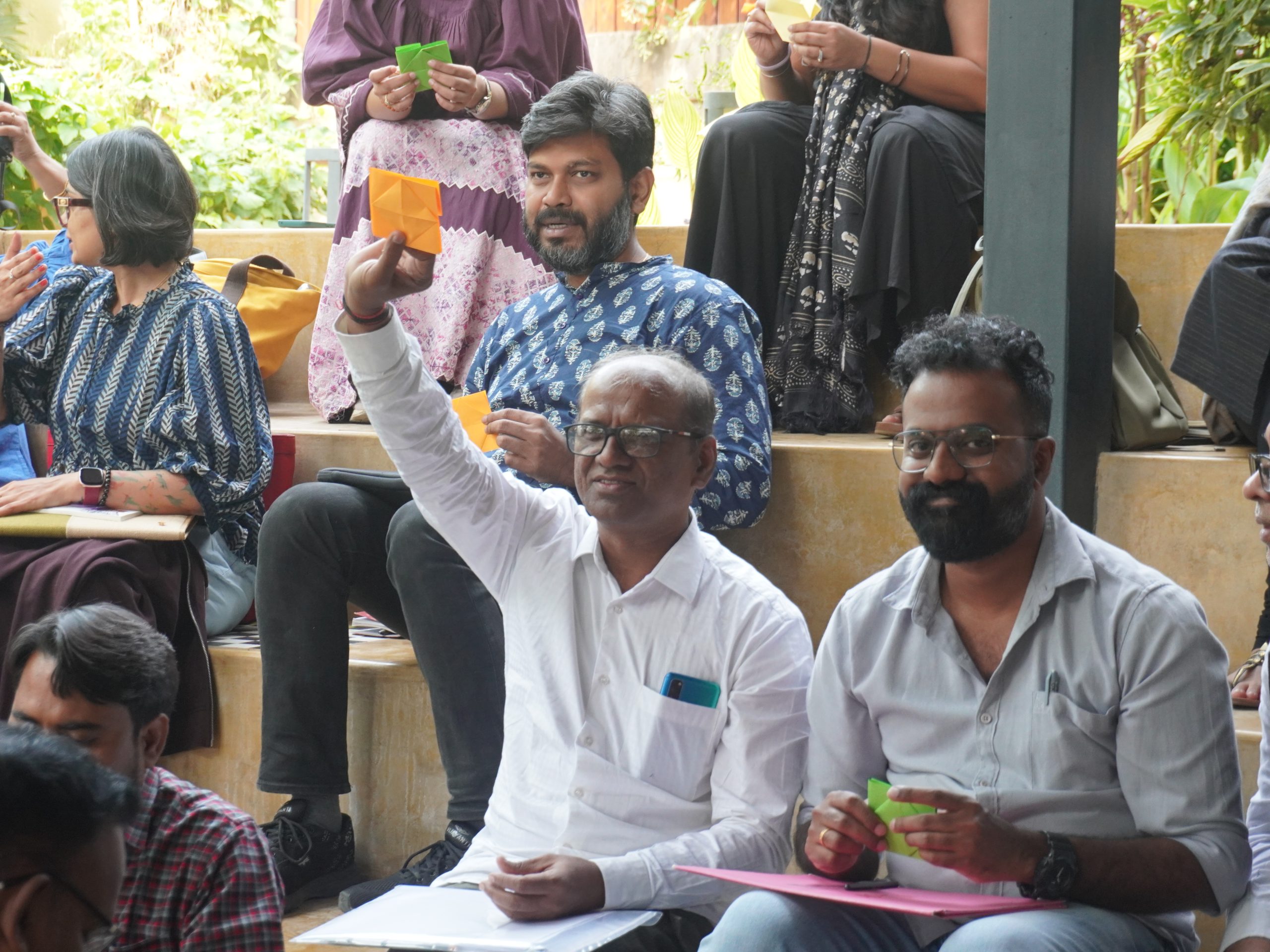
Through shared voices, culture became more tangible.
In how people enter and leave an organisation.
In how leadership is held across many heads, hearts and hands.
In how policies stretch (or don’t) when reality asks more of them.
In how partnerships feel aligned or strained.
Each story added a layer and each layer made culture more human.
“I like the sessions led by the Quest Alliance admin and finance team members where they were sharing how to build a good relationship with external stakeholders so that they can support during the critical situation”
~ Shailendra Badola, Maitrayana Foundation
Tending to What Matters
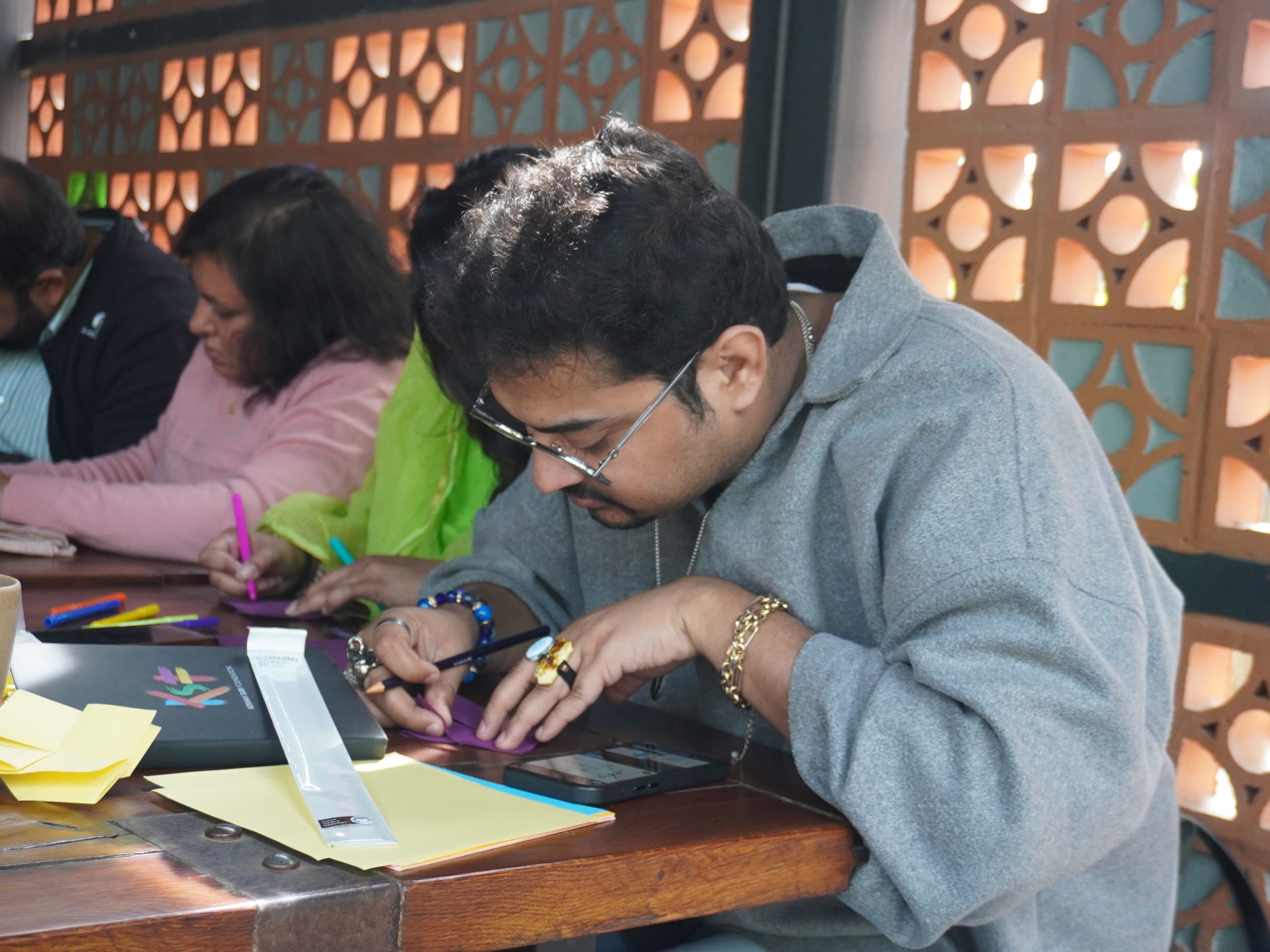
Towards the end, there was a nudge toward introspection, to sit with questions directed at the self, asking to be answered the way one tends to the garden: enrich the soil, water the plants, let the sun in.
-
- What is already alive here that I want to nurture?
-
- What is waiting to be invited in?
-
- What is ready to be let go?
“All the points on how to sustain change have stayed with me. The idea of micro-improvements that move the needle rather than trying to do too much at one place/ at scale and failing have informed the way I design programs for the past 5 -6 years.”
~ Amrtha Kasturi Rangan, ATE Chandra Foundation
What Stays
Perhaps no new skill was “learned” that day. But there was a palpable shift in energies.
We observed that participants had a different outlook on organisations and strategy, rooted in human culture.
The idea that it’s important to begin with noticing, and to move with intention, became agreeable. To treat organisations as ecosystems that need nurturing, and culture becomes the underlying current that holds them.