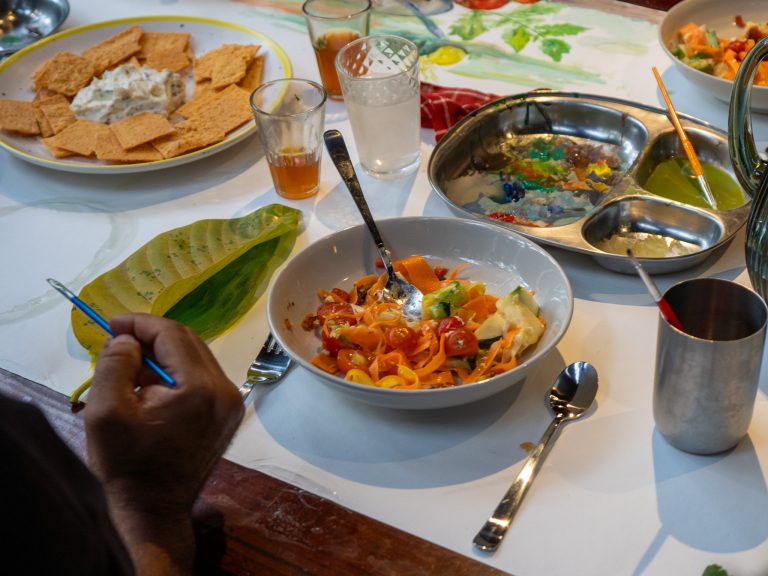
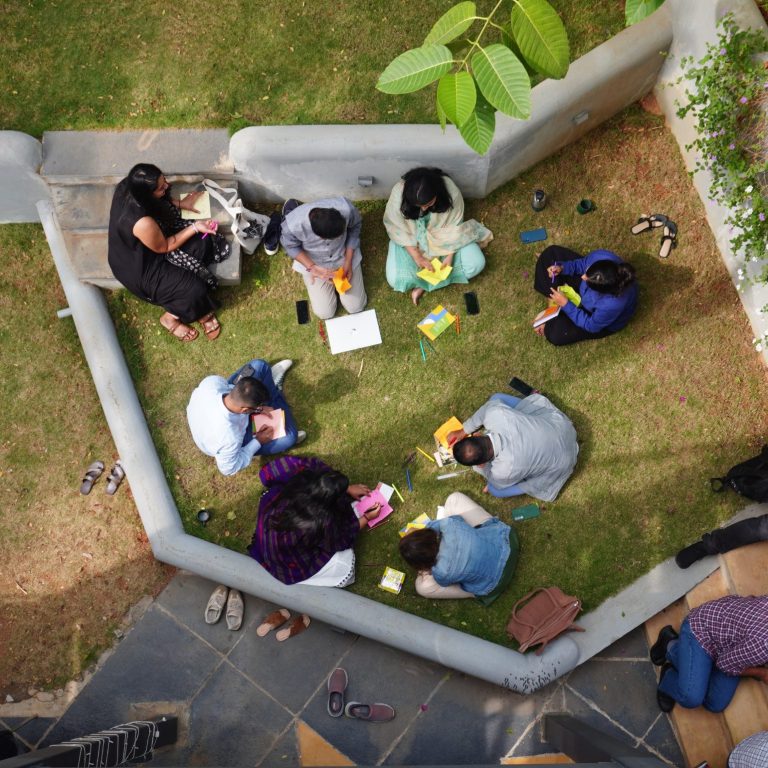
The Cookbook Table: More Than Recipes, More Than Dinner

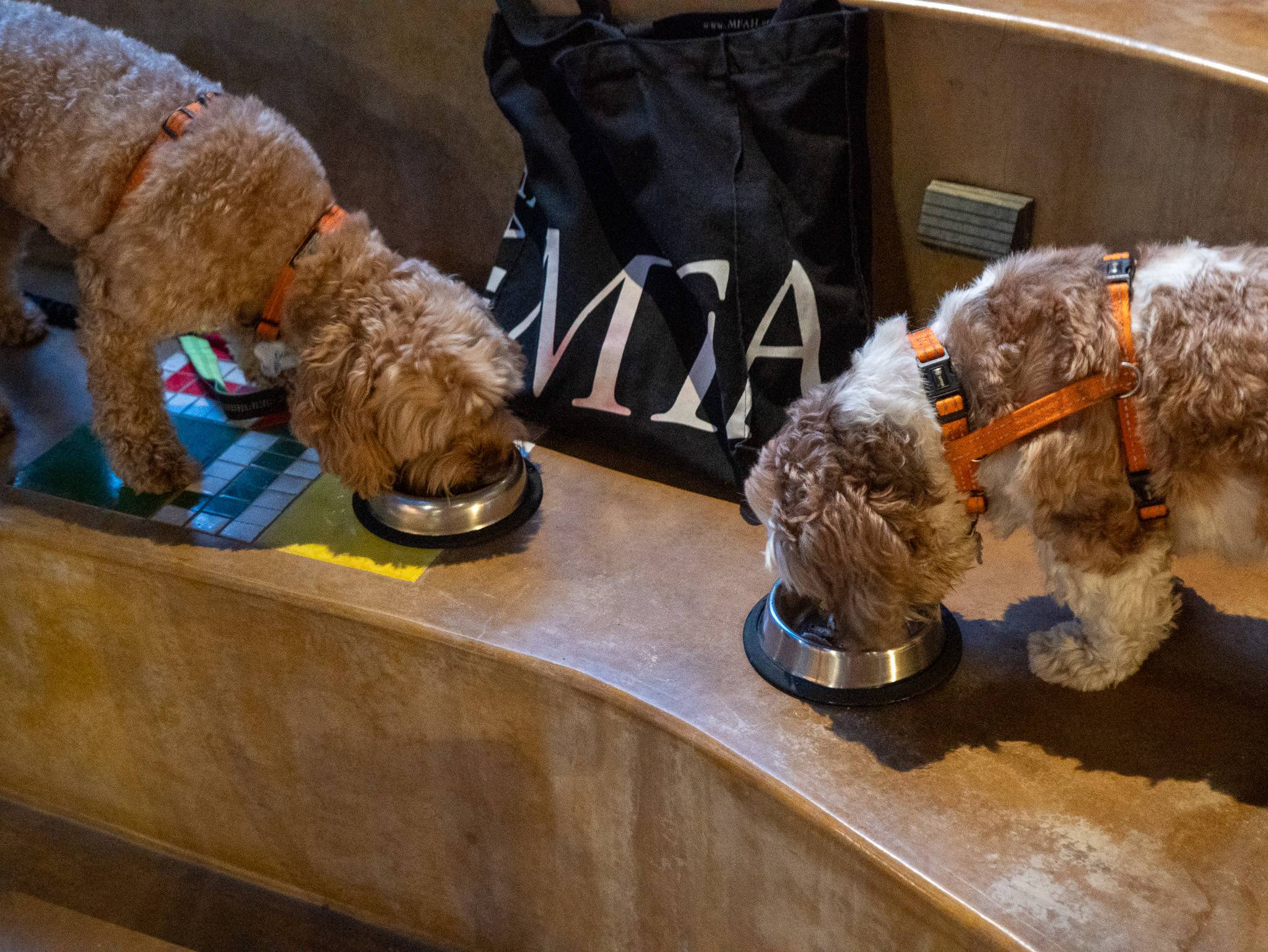
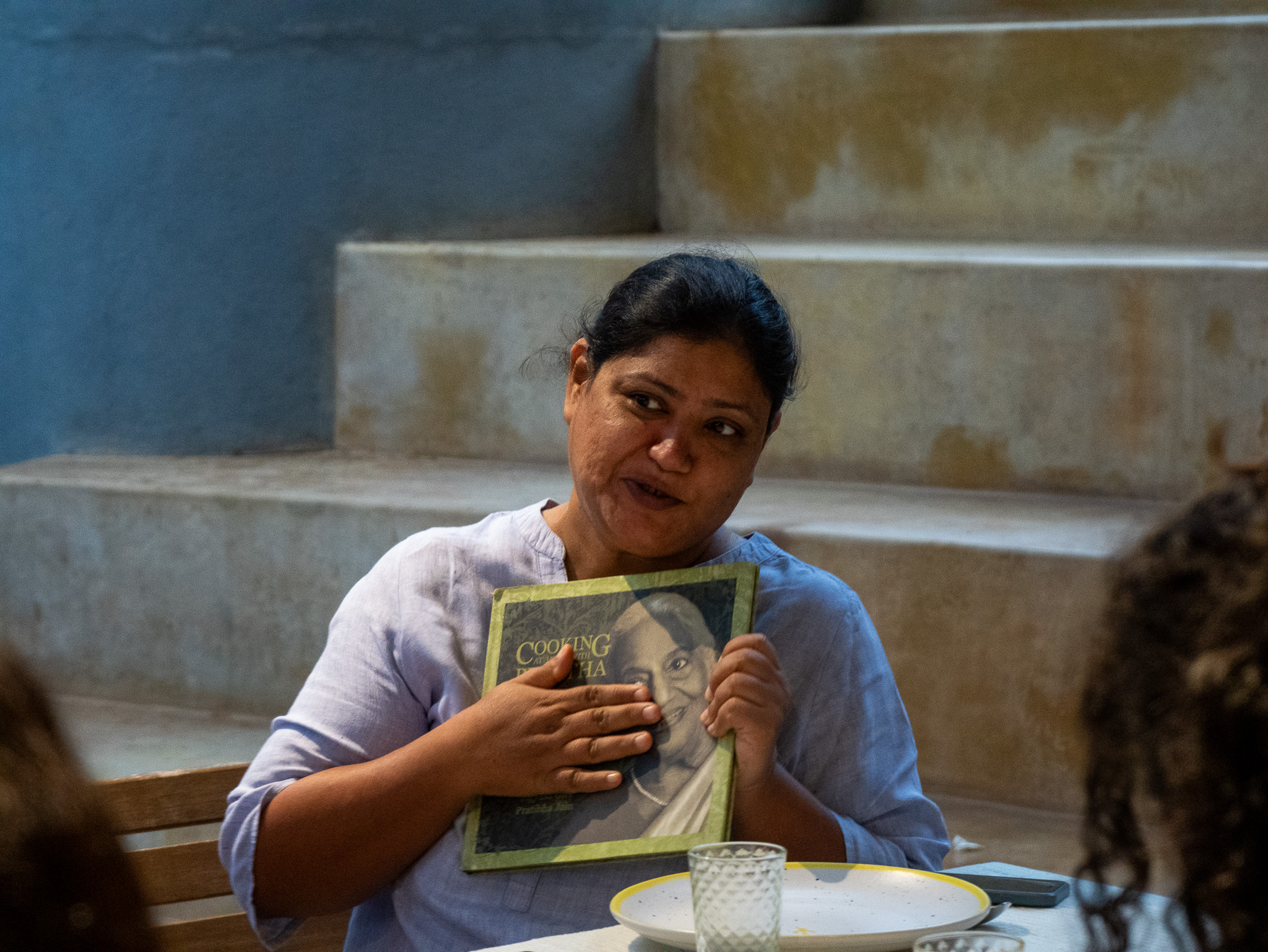
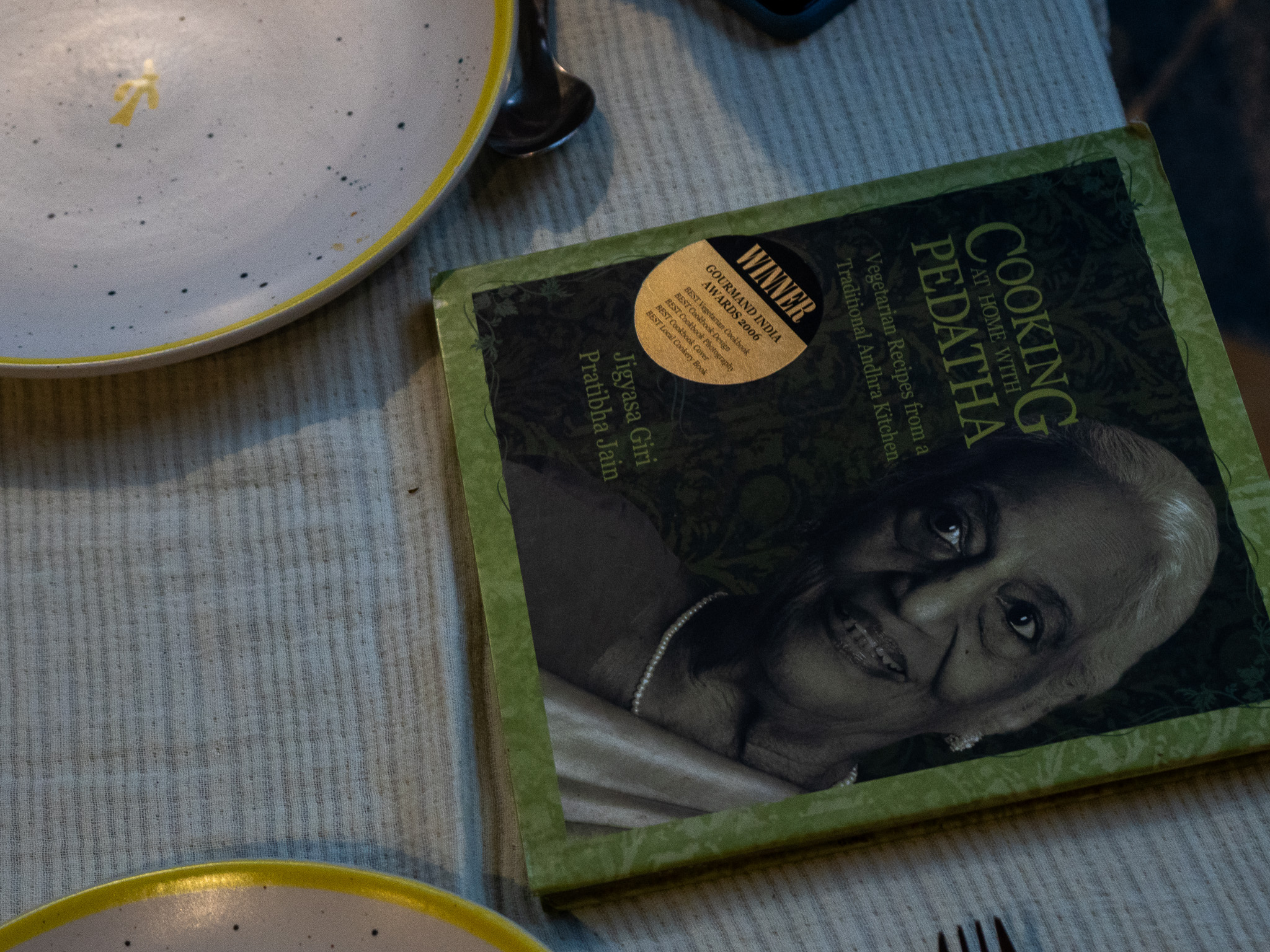
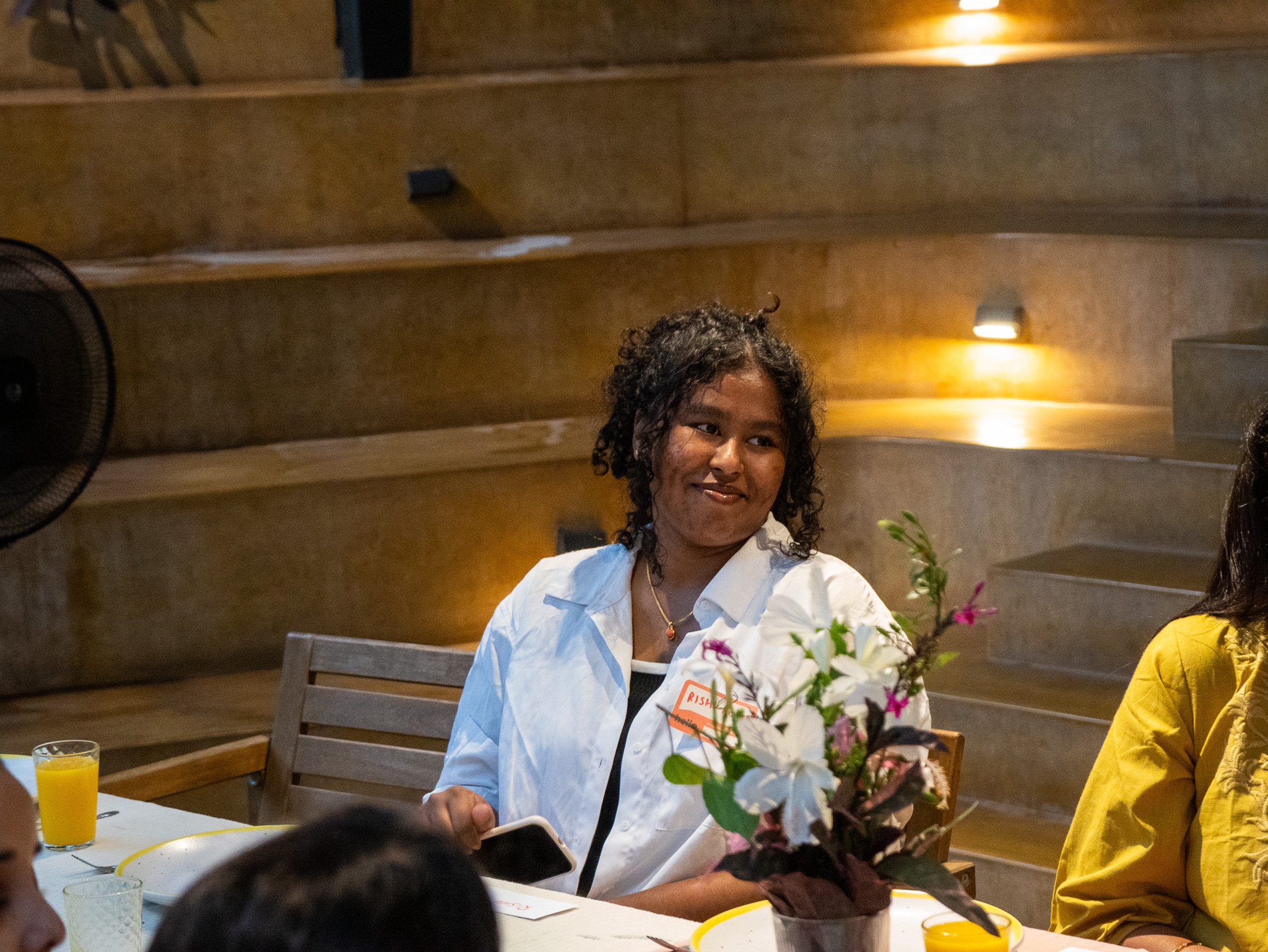
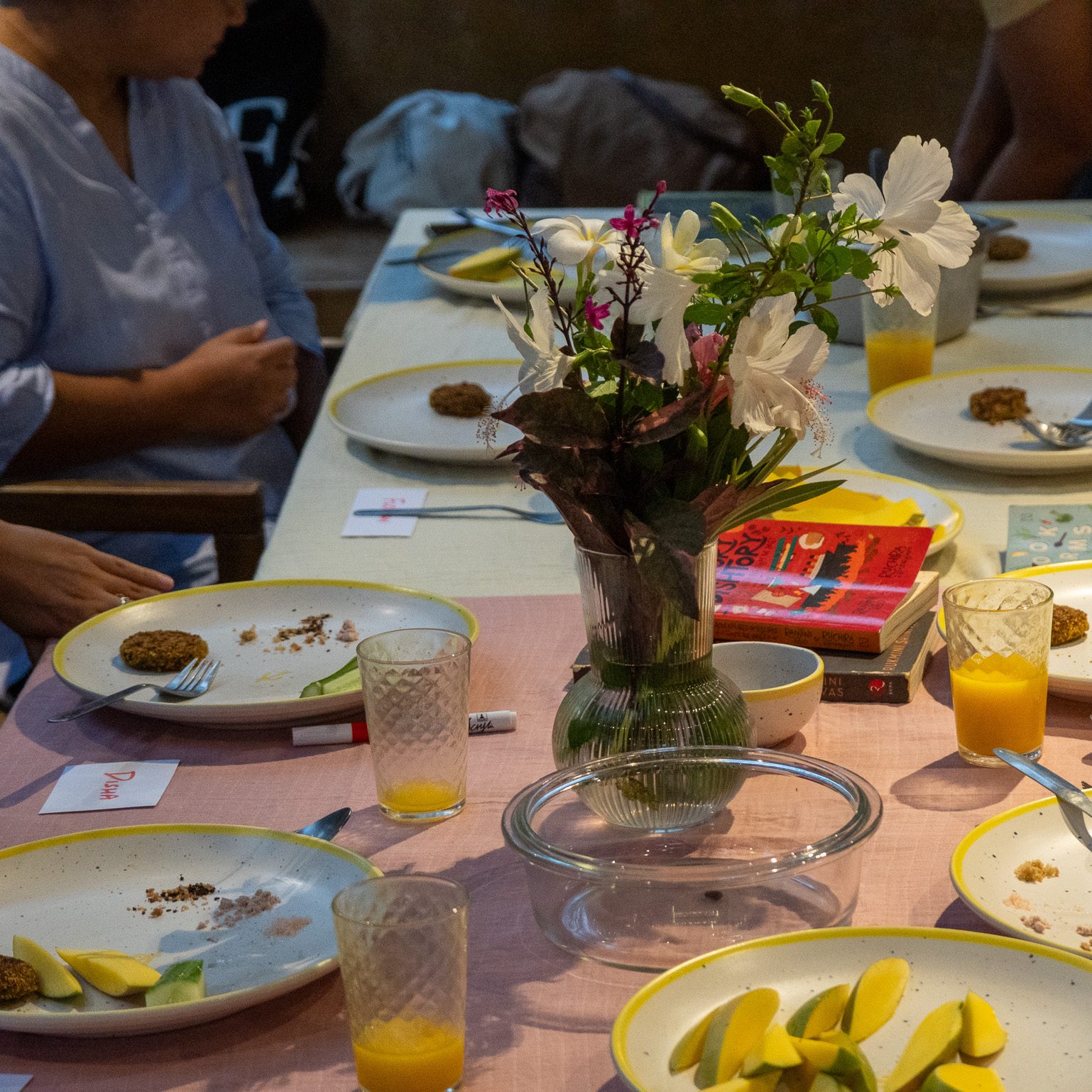
Elizabeth David was one of the most gifted cookbook authors, revered by many. She wrote in a way that really put the spotlight on unique ingredients. Cookbooks have a way of reeling the reader in – they don’t always give specific instructions, they point the reader in a direction, and ask them to take a leap of faith in rounding off a recipe. And cookbooks are not always printed; sometimes, they’re hand-written and the pages come to bear an imprint of what makes a dish..a speck of spice between the lines, a thumbprint of oil or butter, the pungency of garlic or the sharpness of cardamom clung on the paper, which has curled at the edges, bearing the scent of someone’s kitchen. There is something radical about opening this kind of a recipe diary: it transports you to a distant memory of a person, who cooked your favourite food. In an age of fifteen-second recipe videos and AI-generated meal plans, a cookbook is a way for us to slow down and read before we cook. To understand why an ingredient behaves a certain way, read between the lines in the margin scribbles, the folded corner bookmarking a recipe that manifests on the table every so often. At this month's Quest Learning Observatory Supper Club, The Cookbook Table, we discovered that attendees who brought their favourite cookbooks also shared that the books were markers for slice-of-life chapters from their own experiences. Our guest, Ruchira, shared how cookbooks became companions when she was newly married and finding her feet in an unfamiliar kitchen. Like so many first-generation home cooks navigating adulthood, she turned to books not merely for recipes, but for reassurance. One cookbook in particular, Dakshin by Chandra Padmanabhan, remains a trusted friend decades later. Around the table, similar stories unfolded. One participant reflected that while they happily use both digital recipes and printed books, physical cookbooks possess something the internet rarely offers: cultural memory. They preserve family histories, regional traditions, migration stories, and resilience across generations. Another brought The Forever Dog Life by Dr. Karen Shaw Becker and Rodney Habib, and shared how it transformed the way they cooked for their dogs. Food, we realised, is one of the many languages through which we express care. Our youngest guests perhaps said it best: "My mom is my cookbook." Someone else added that cooking videos online rarely show everything that happens in a real kitchen. They skip the waiting, the cleaning, the mistakes and the last minute tweaks. One participant even recounted travelling to Indonesia to learn about raw food, only to stay for three months immersed in yoga, mindful eating and a slower rhythm of life. Sometimes recipes become passports to entirely new ways of seeing the world.
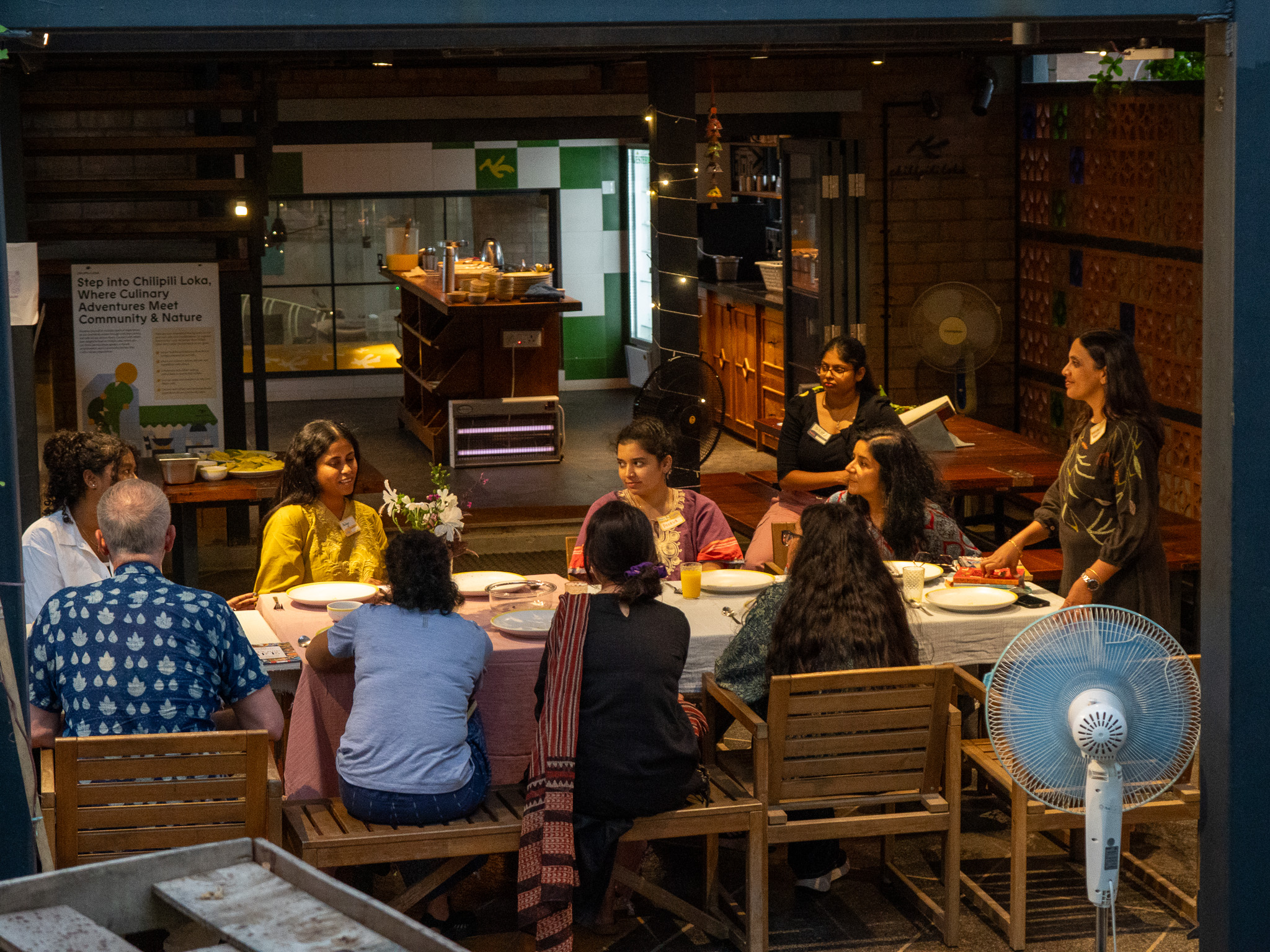
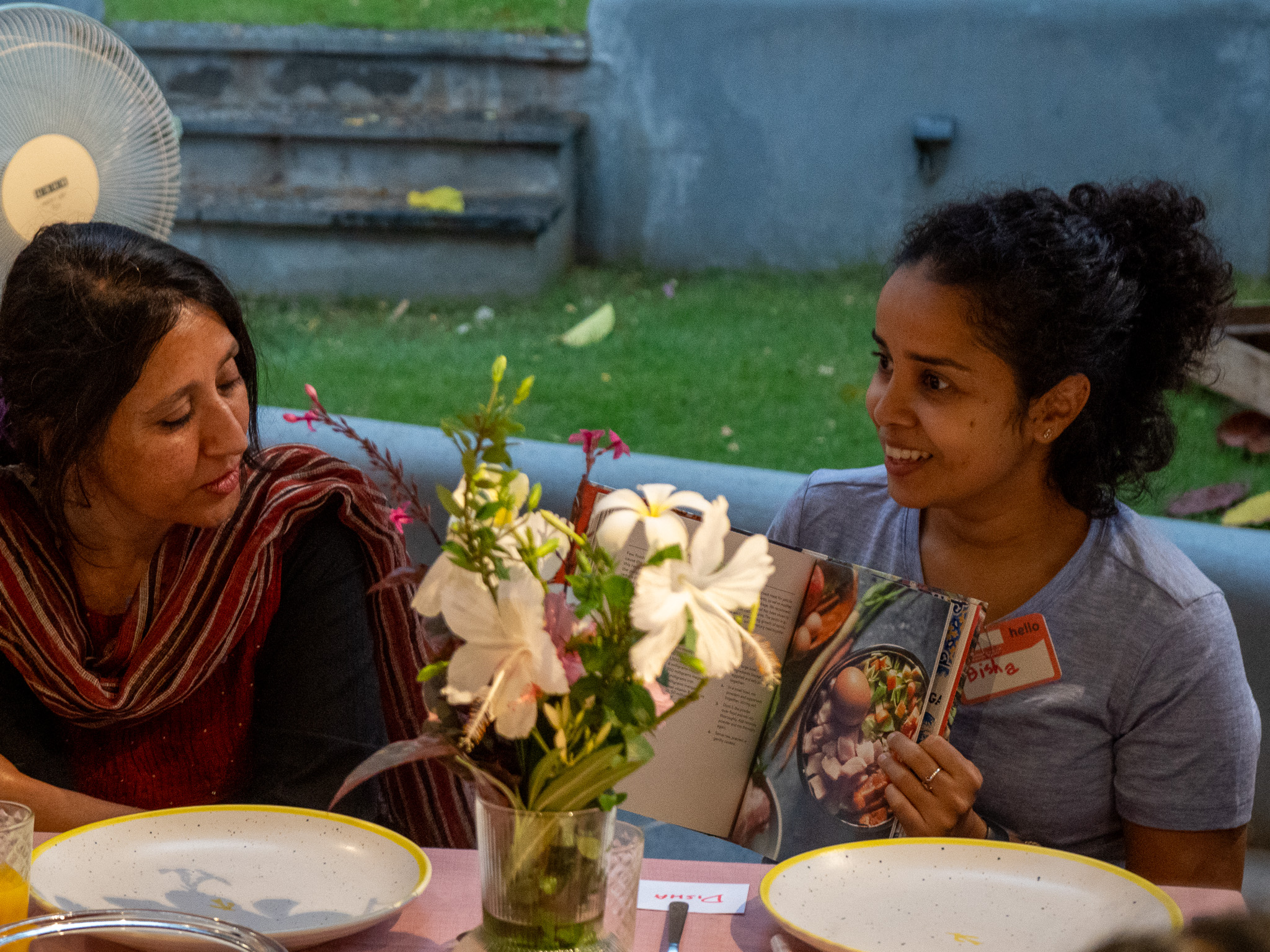
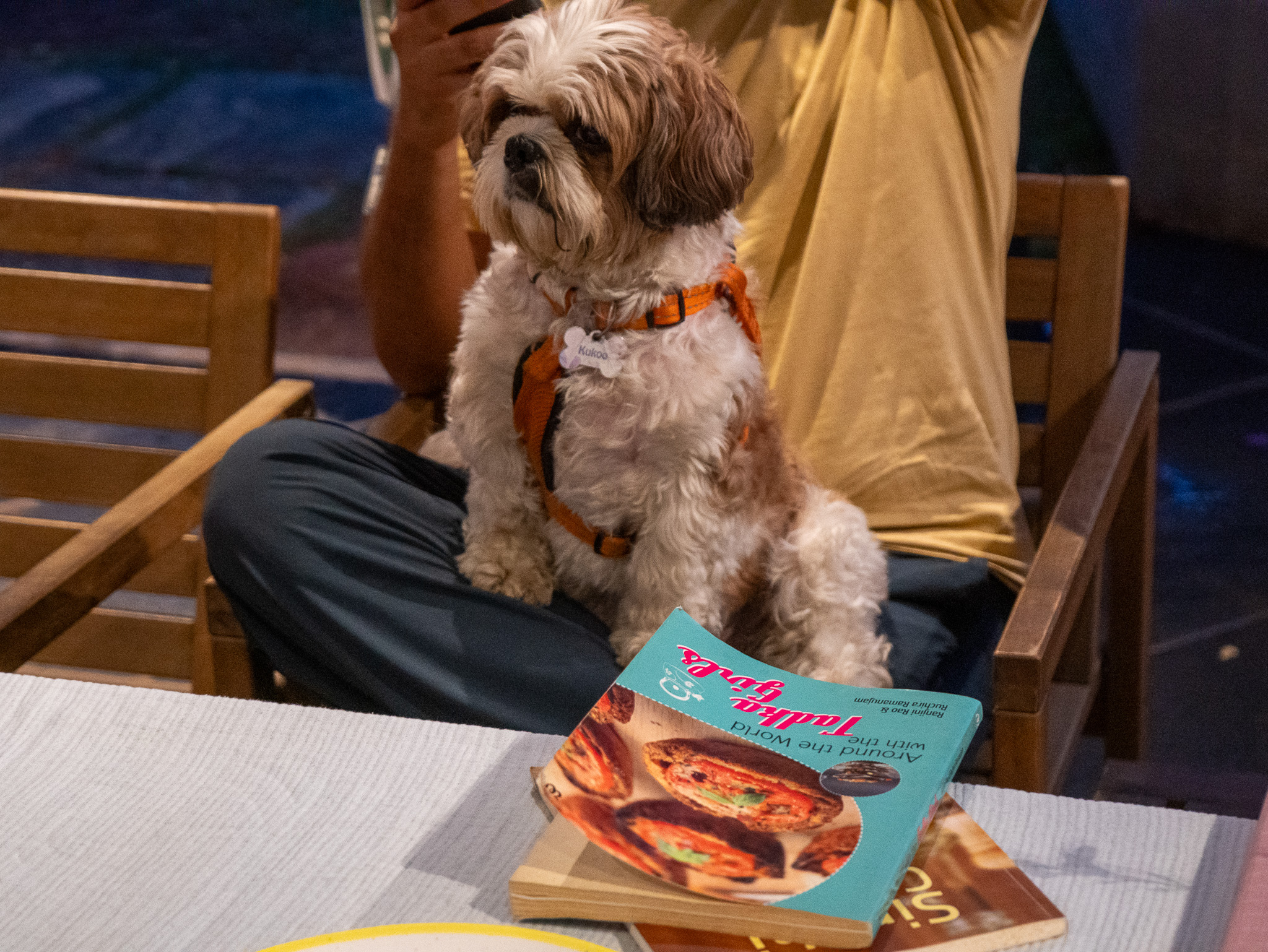


The evening’s menu reflected this spirit beautifully, with each dish carrying flavours from a dog-eared page somewhere.
- Soya Bean Patties from Around the World with the Tadka Girls.
- Lemon Shortbread Cookies from Bookworms & Jellybellies.
- Chettinad Biryani from The Essential South Indian Cookbook.
Cookbooks as Cultural Archives
Anthropologists often describe recipes as “living documents.” They evolve with migration, climate, economics and memory. A recipe is rarely static. It adapts when someone substitutes an ingredient because of a natural disaster, like floods or droughts. It changes when a family migrates across continents, or because one ingredient becomes unavailable while another grows in abundance.
Researchers studying the evolution of world cuisines have shown that recipes evolve much like languages do, constantly borrowing and adapting while retaining distinctive cultural identities. This makes cookbooks far more than culinary manuals. They are archives that tell us what people grew, traded, celebrated, feared and valued.
What Pop Culture Gets Right
In Julie & Julia, a young woman cooks her way through all 524 recipes in Julia Child’s Mastering the Art of French Cooking. On the surface, it is about cooking, but it has many other layers: it is reflective of the woman’s journey to finding confidence, purpose and identity through the discipline of cooking every day.
In Pixar’s Ratatouille, the famous line, “Anyone can cook” is an invitation to believe that creativity belongs to everyone, regardless of background. The kitchen, in these stories, becomes a place where people reinvent themselves, and our supper club echoed that same sentiment.
Everyone was simply trying to recollect forgotten stories and recipes, share and learn.
Cookbooks and the Future of Food
There is another reason cookbooks matter today. As climate change reshapes agriculture, the recipes we preserve may become just as important as the crops we protect.
Emerging research suggests that understanding recipes can help us design culturally meaningful, environmentally sustainable diets. Because food choices are deeply embedded in culture, changing diets is about respecting traditions while adapting thoughtfully.
Cookbooks, therefore, become ecological documents. They teach us seasonality, celebrate biodiversity, introduce ancient grains, local greens and traditional preservation methods that often have smaller ecological footprints than industrial food systems.
Regenerative Thinking Around the Table
At Quest Learning Observatory, we often speak about regeneration as a way of seeing. The Cookbook Table reflected several regenerative mindsets that guide our work.
Relationships before transactions.
The evening was designed to build relationships between strangers, across generations, and with the people who came before us.
Learning from living systems.
Cookbooks remind us that food systems are adaptive. Recipes evolve, ecosystems change, and resilience comes from diversity rather than uniformity. Every family recipe carries generations of experimentation, observation and adaptation.
One could also argue that the evening celebrated another regenerative principle: honouring place. Every cookbook reflects its landscape, its soil, climate, markets and seasons. To cook from a regional cookbook is to understand a place through its flavours.