Finding The Right Ground

In Eaarth, Bill McKibben argues that we are no longer living in the world we once knew. As our landscapes, climate, and communities continue to change, our ways of thinking and creating must change too. The future belongs not to those with ready-made answers, but to those willing to experiment, question assumptions, and imagine new ways of living with the systems around us.
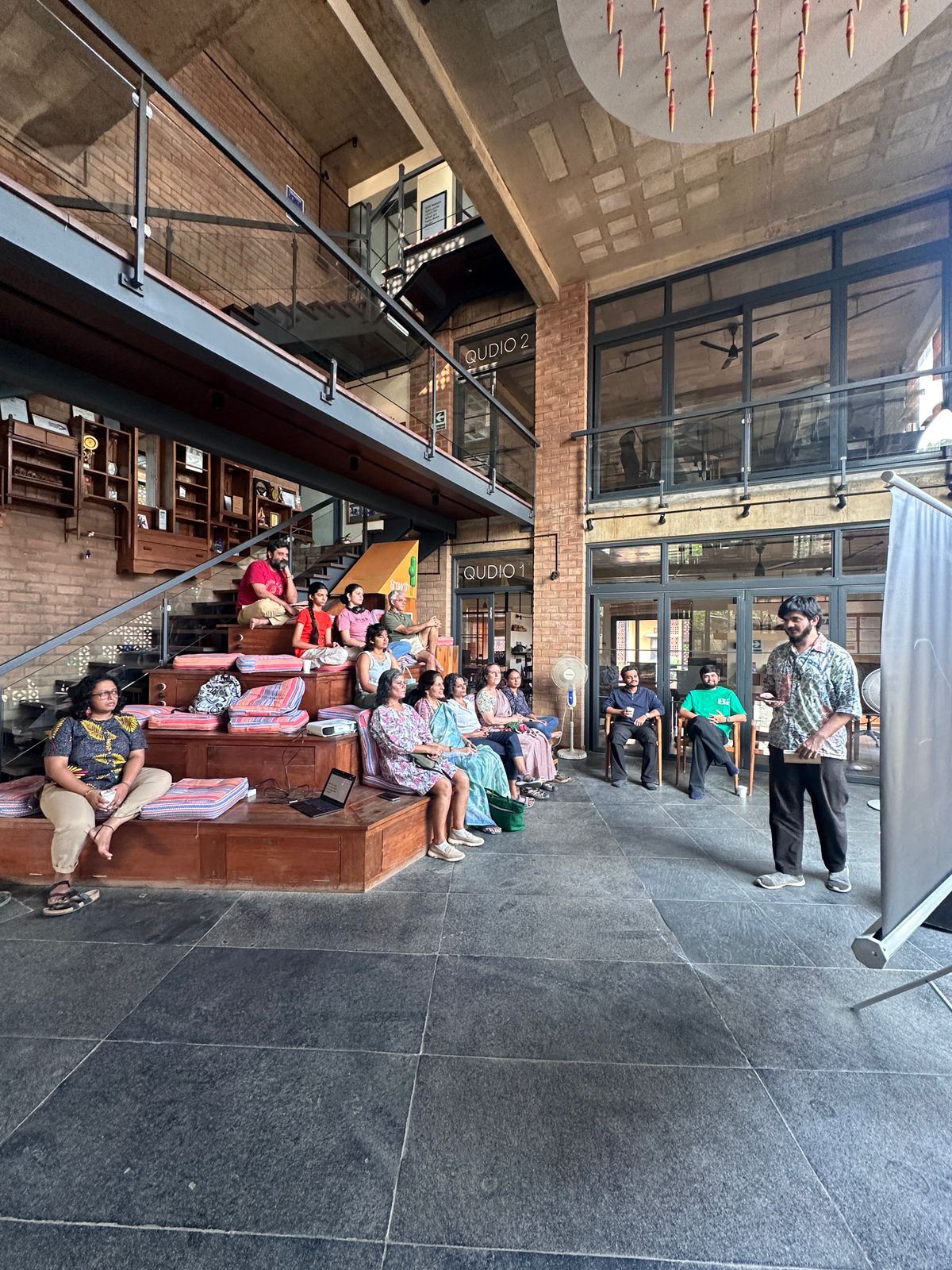


That spirit lies at the heart of the Regen Residency at Quest Learning Observatory. A residency is never just about creating an output. It is about slowing down, asking better questions, making space for curiosity, and allowing ideas to evolve through people, place, and practice. Every resident arrives with a project, but often leaves with something much larger—a new way of seeing.
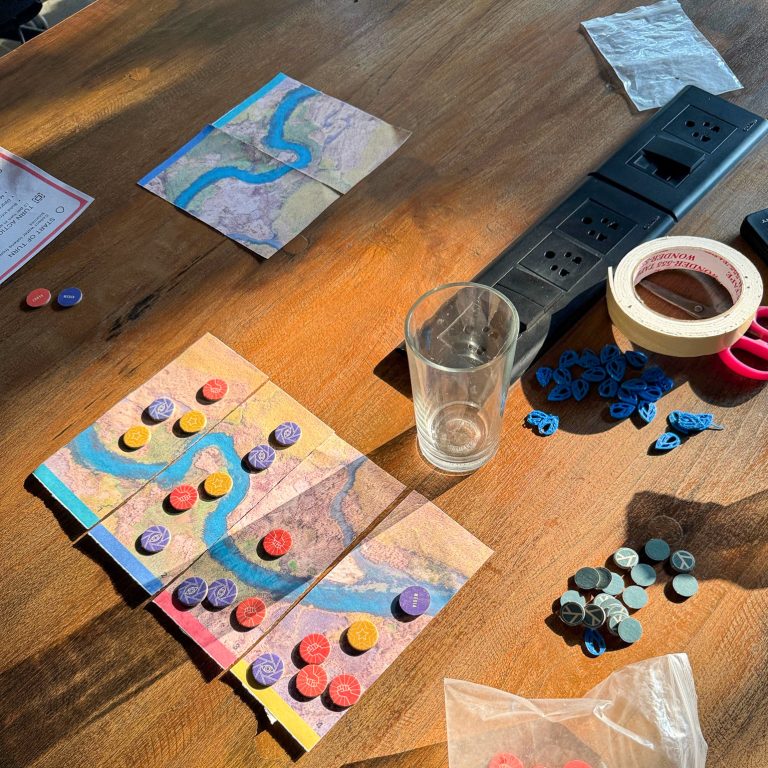
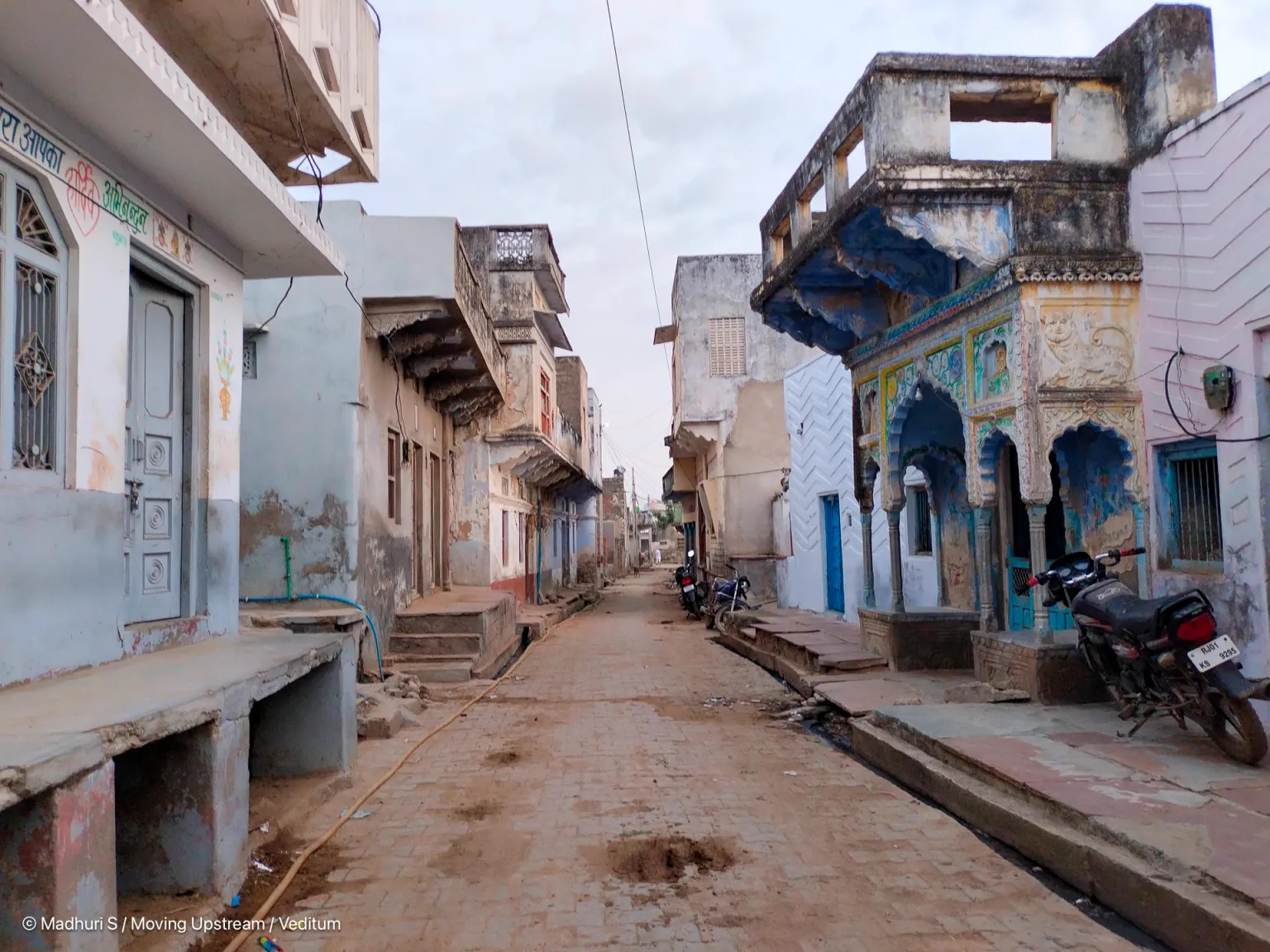
For Saurav, that journey began with an idea that had stayed with him for over two years. He had wanted to create a board game based on his walk along the Luni River in Rajasthan. The idea was there, but the conditions weren’t.
“The idea of making a board game based on the Luni River had been in my head for two years, but I wasn’t able to find the time, and more importantly, the right environment, to start the project. I had been to QLO before and had worked extensively with QUEST, hence I knew my project would find a nurturing environment at the residency. So I took hold of the opportunity as soon as it came up.”
What also drew him to the residency was QLO’s interpretation of regeneration.
“While I wasn’t fully aware of what regeneration entailed, some of the principles I wanted my project to embody were already outlined in QLO’s guiding principles: resilience, connection, and synergy between human and ecological systems. Reading these, I realised they tied together the various design principles I had in mind for the game very neatly.”
The Regen Residency recognised that meaningful ideas require both movement and stillness.
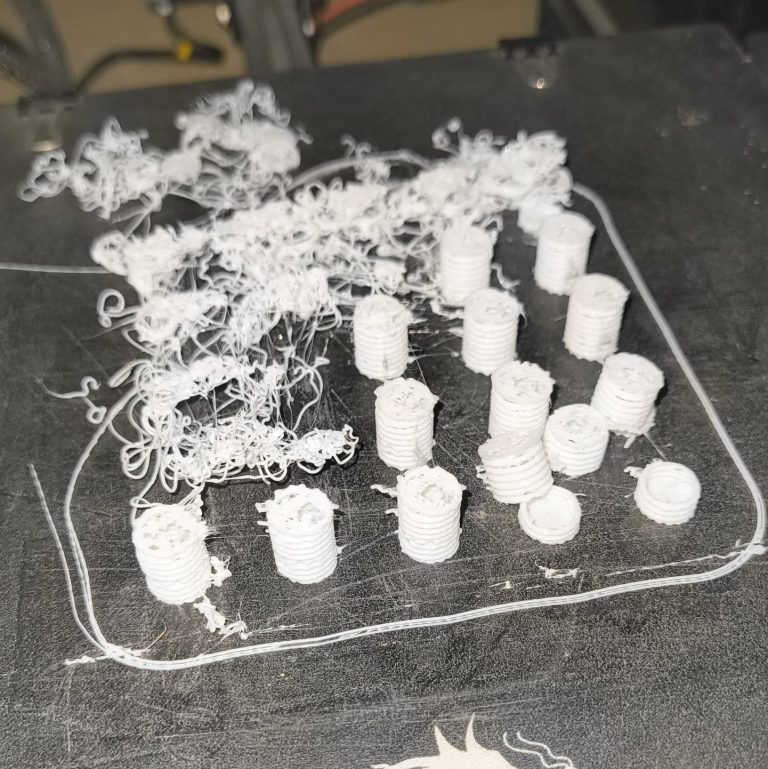
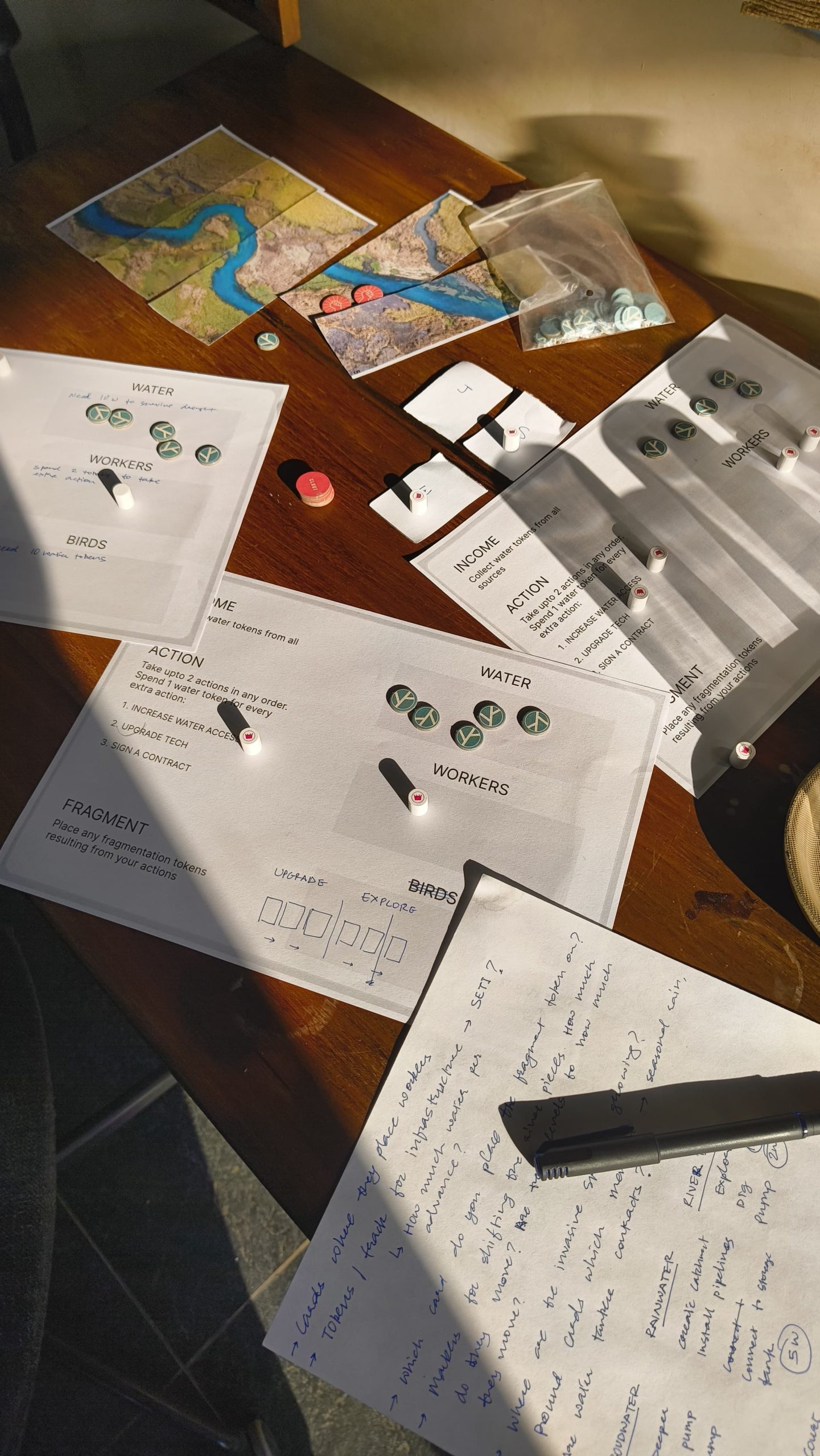
“The residency provided fertile ground for my project to germinate. The process-oriented approach of the Regen Residency gave me the space to think and ruminate when I wanted to, and to experiment and make when it was needed. Some days would go by where I would just sit, make notes, and do nothing else. Then, when I felt a burst of creative energy, I would quickly build prototypes and test my ideas.”
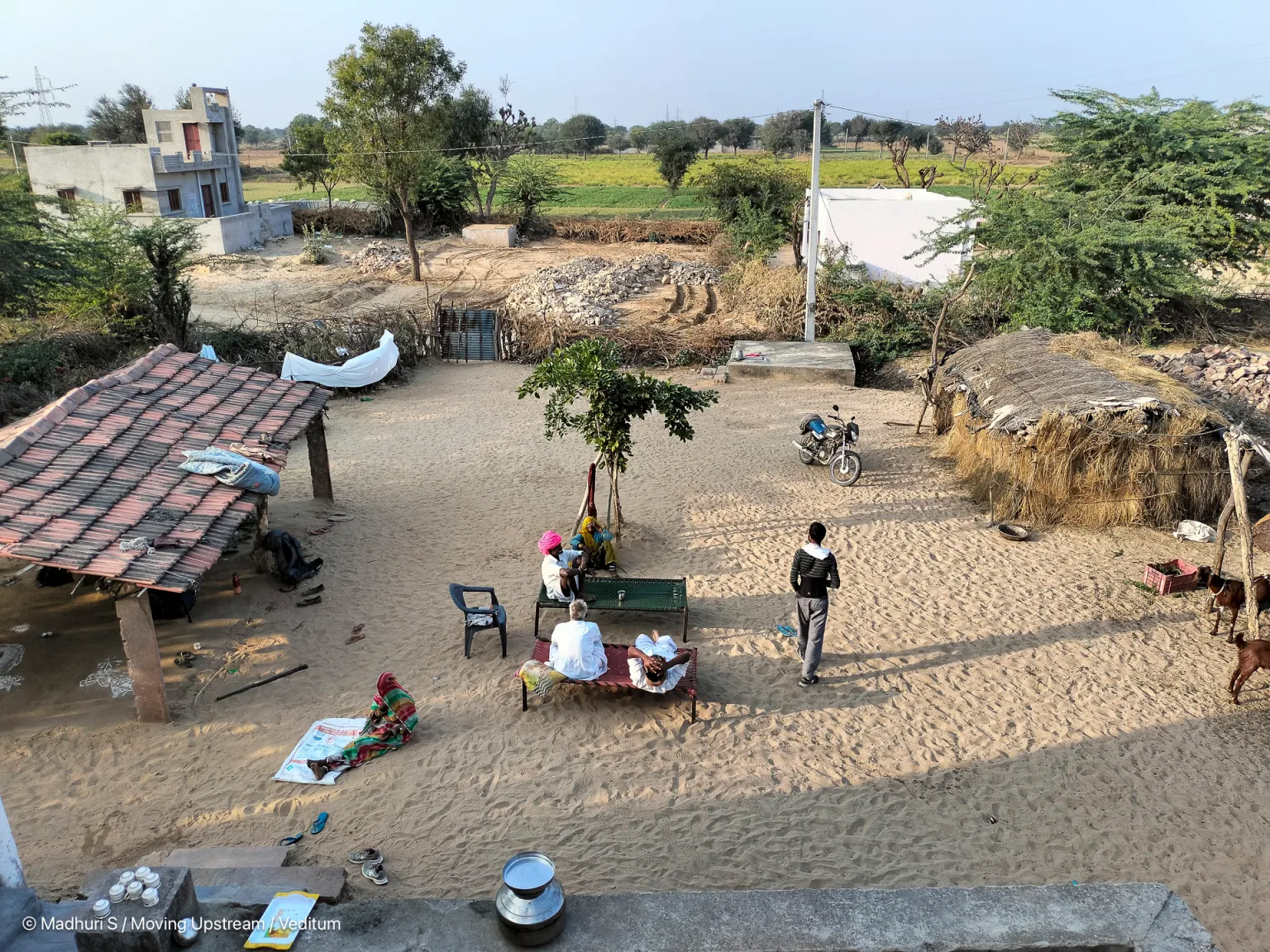
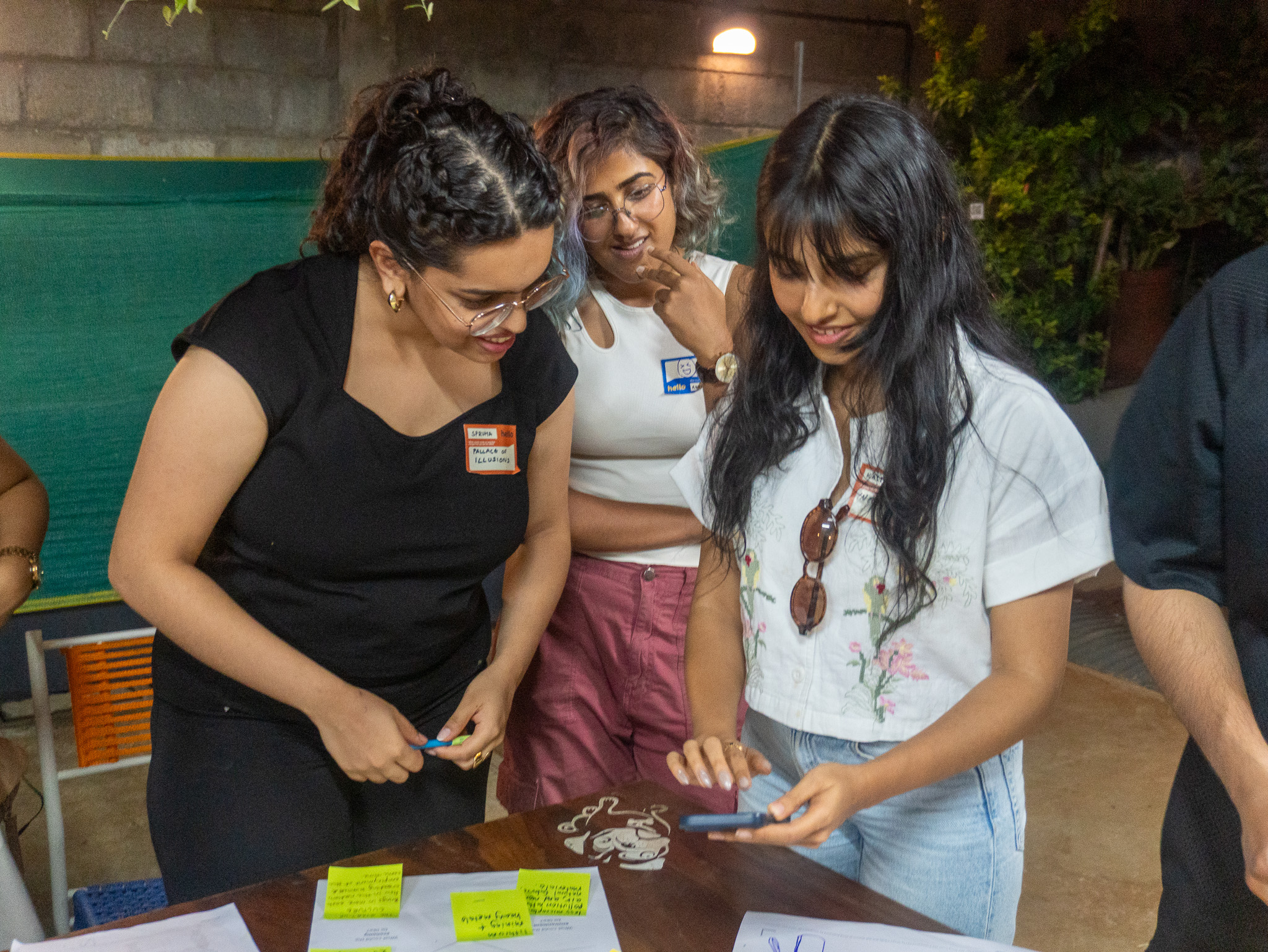
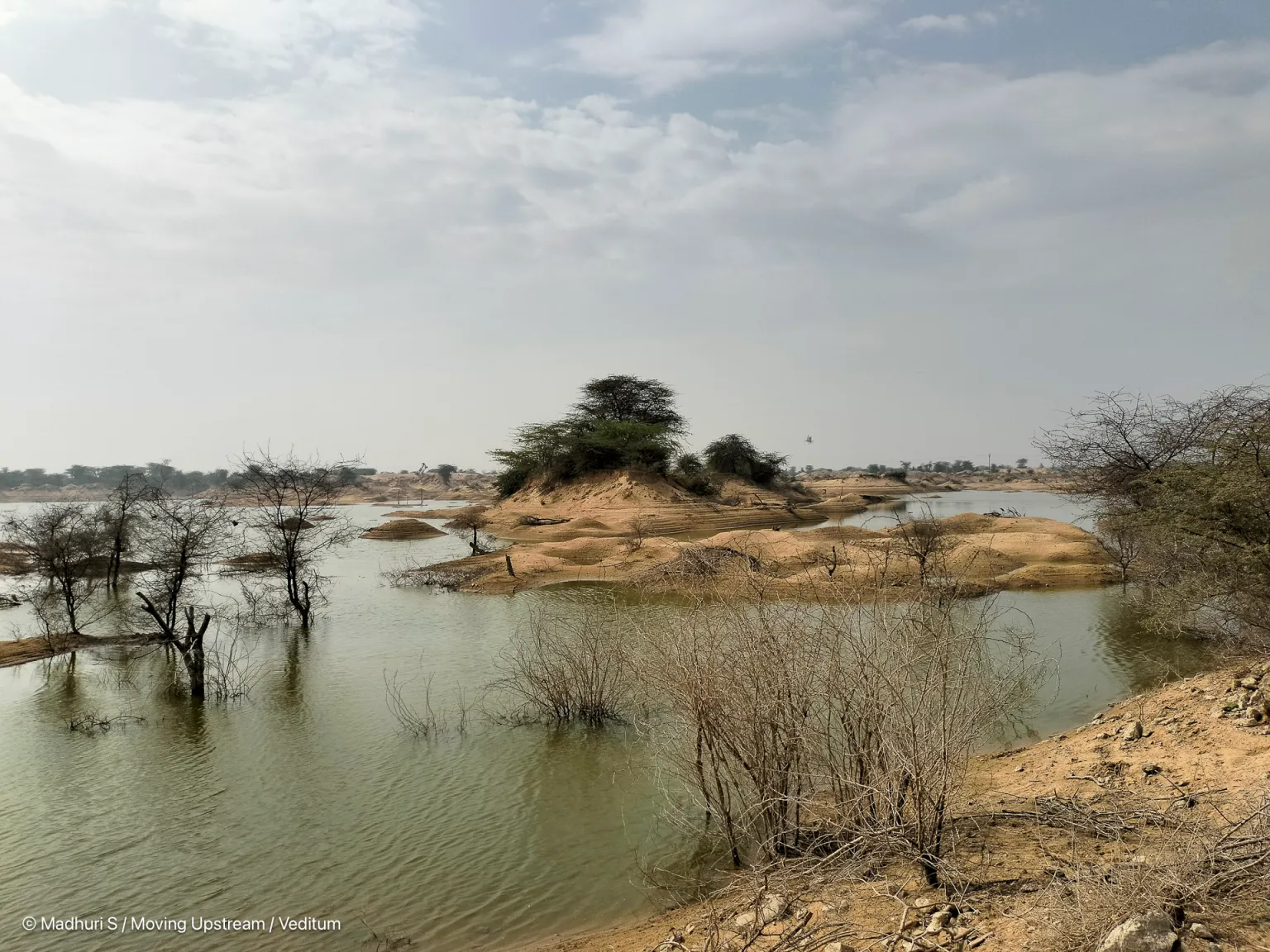
Along the way, conversations became just as important as making.
“The mentorship I received from Ranjini on regenerative futures stripped away all the jargon around the topic and showed me how regeneration can exist even in seemingly small things: like in how we prepare our food or in how we engage with community.”
The residency also created opportunities for unexpected cross-pollination between disciplines.
“Having discussions with Disha, a fellow QLO resident, made me think sideways. Her explorations into understanding space and built environments through art showed me how there can be many different ways of perceiving the same thing.”
Sometimes, the most transformative experiences are the ones that aren’t part of the original plan.
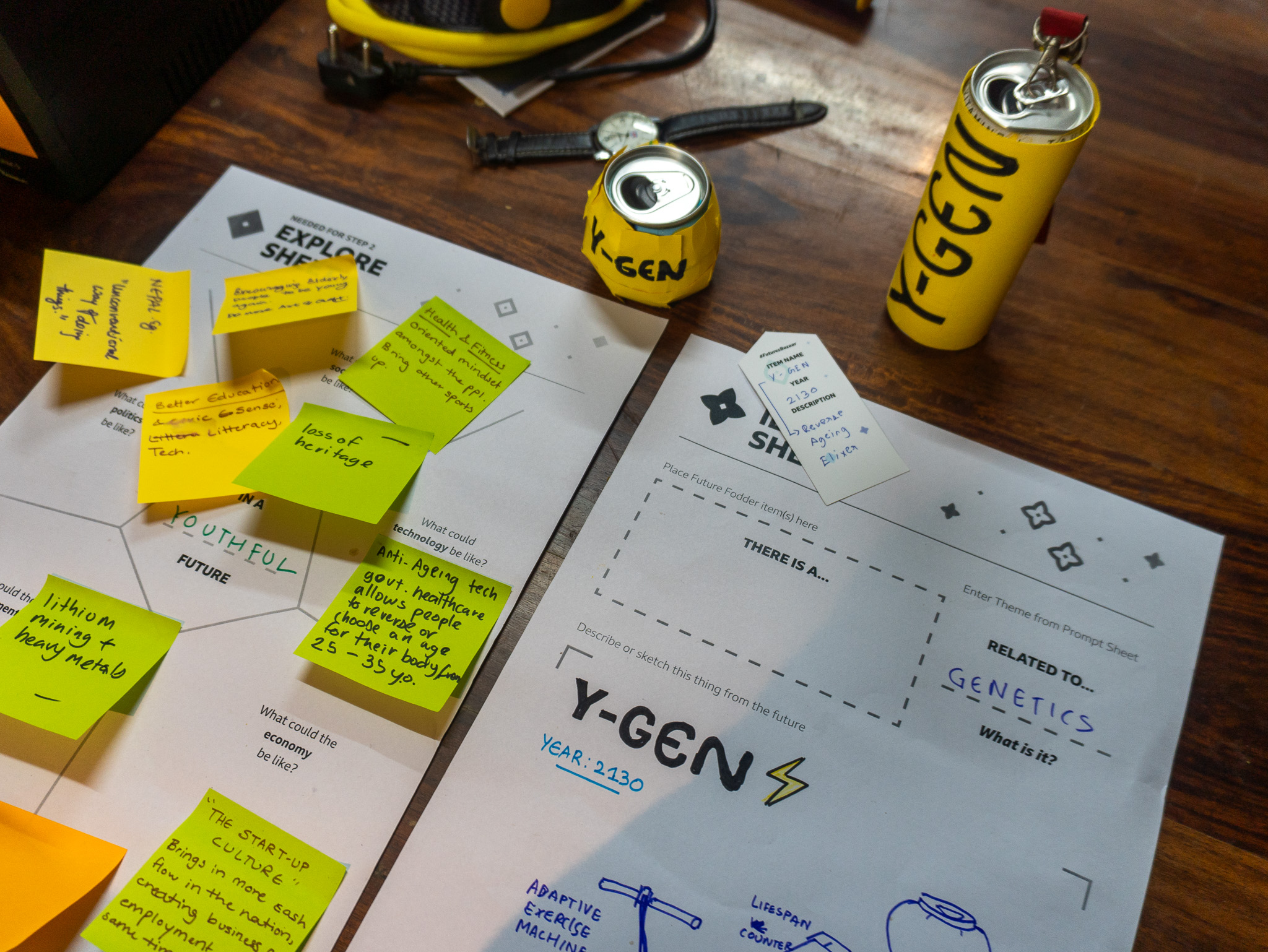
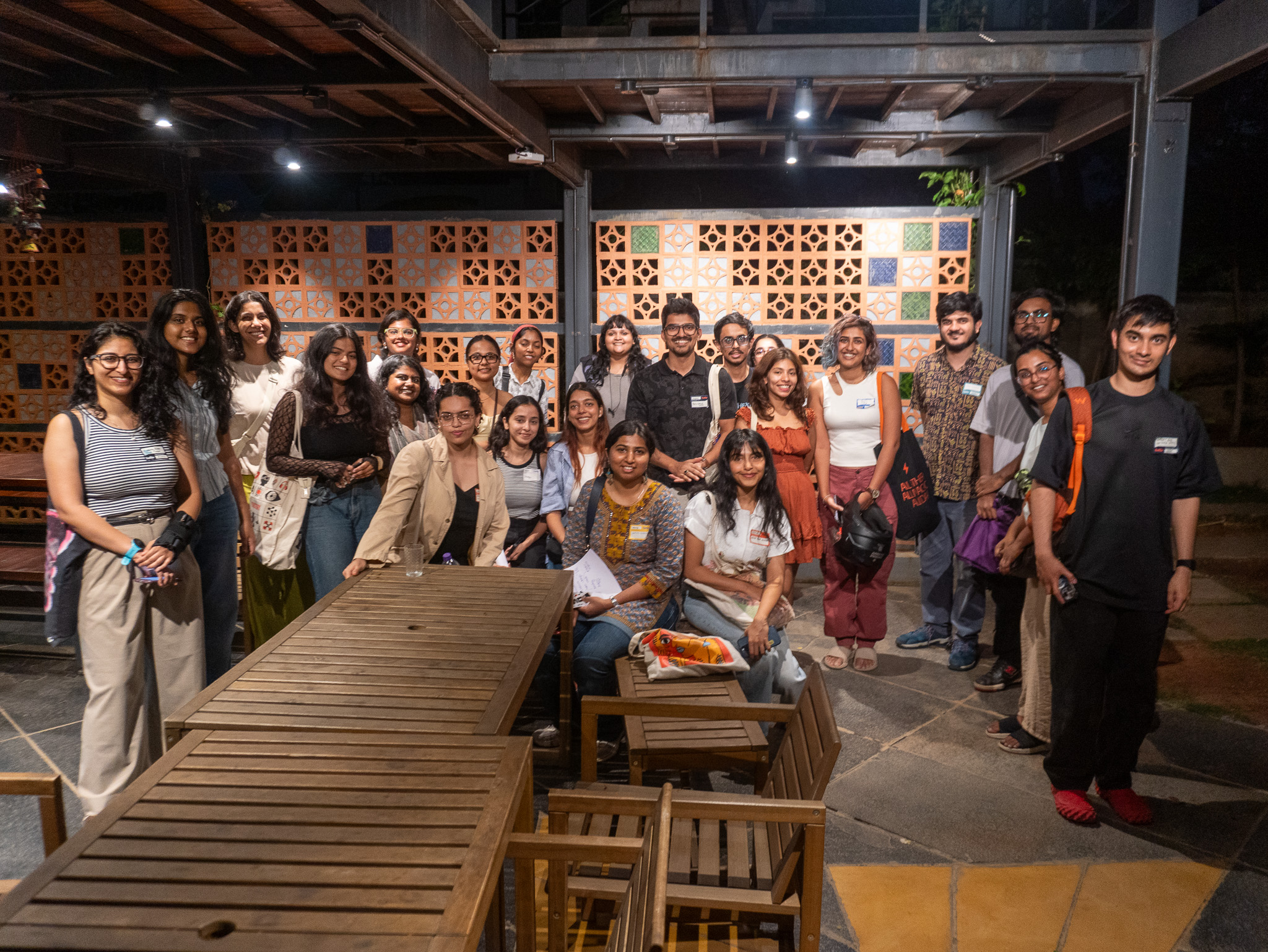
“Another experience that expanded my multidisciplinary thinking was hosting the Futures Bazaar at QLO. This wasn’t planned and had nothing to do with my game, but it turned out to be a great way to bring together my interest in play with QLO’s approach to futures thinking.”
Saurav’s journey is a reminder that regeneration is not simply about restoring landscapes or designing systems. It is equally about creating the conditions for ideas, people, and collaborations to flourish. His board game may have been the starting point, but the residency became a living experiment in systems thinking, creativity, and community.
At QLO, we believe every project has the potential to become something more when it is held within a generous ecosystem of dialogue, reflection, and shared learning. Saurav’s residency is one such story – where a river became a game, a game became a lens for understanding interconnected systems, and a residency became fertile ground for imagining regenerative futures.